
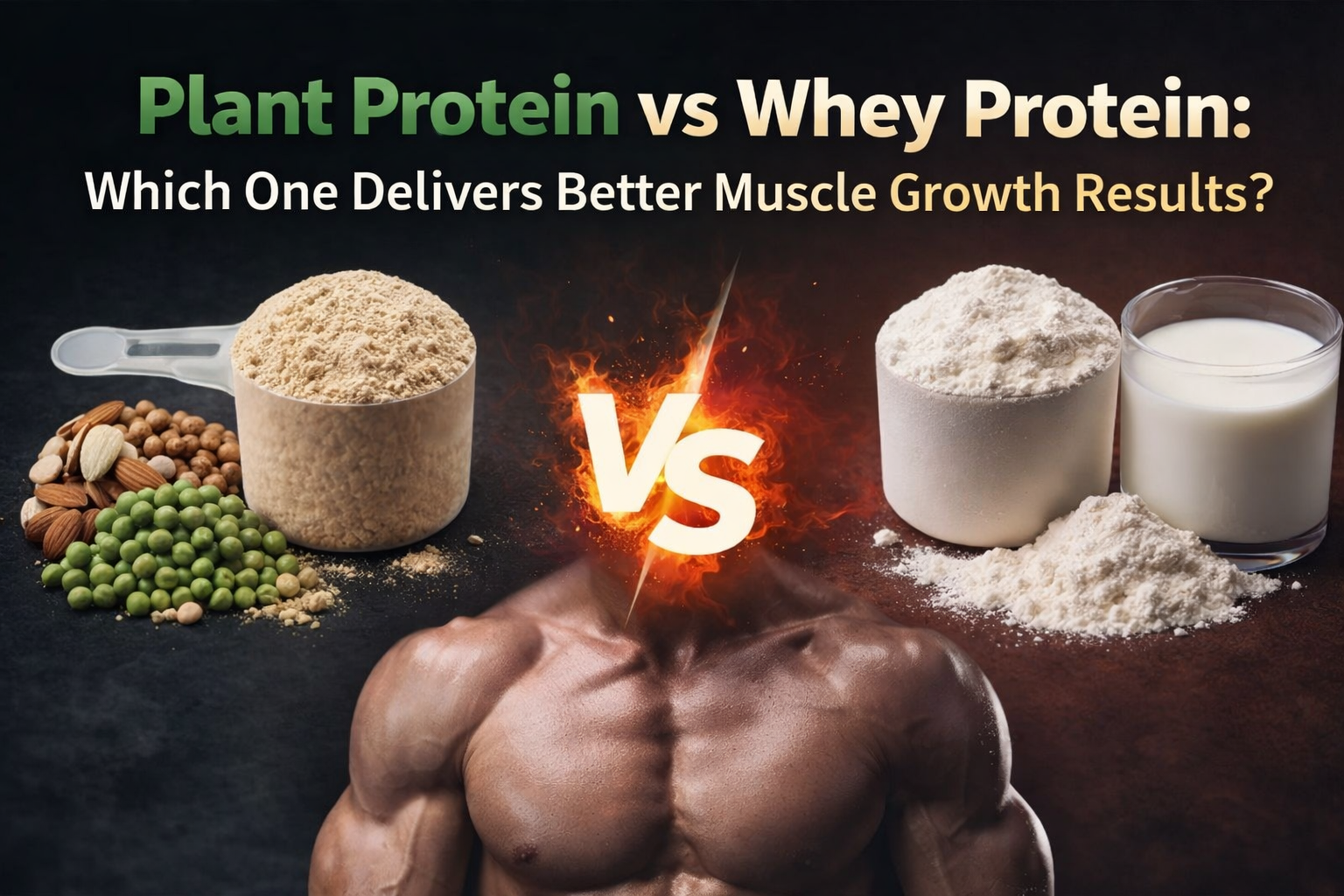
Plant protein vs whey protein: Which One Delivers Better Muscle Growth Results?
Whey vs Plant Protein is one of the most debated topics in fitness nutrition, especially for muscle growth, recovery, and performance.
In the modern fitness landscape, protein is more than just a macronutrient—it is the foundational tool for body transformation. Whether your goal is hypertrophy (muscle growth), metabolic optimization (fat loss), or cellular repair (recovery), the quality of your protein source dictates your results.
As the supplement industry expands, a polarizing debate has emerged: Whey vs. Plant-based protein. For years, whey was the undisputed heavyweight champion, but with advancements in food science and a global shift toward conscious consumption, plant-based alternatives are now challenging that dominance.
This comprehensive guide breaks down the molecular differences, digestive impacts, and performance outcomes of both, helping you make an informed, data-driven choice.
Part I: Understanding the Biological Role of Protein
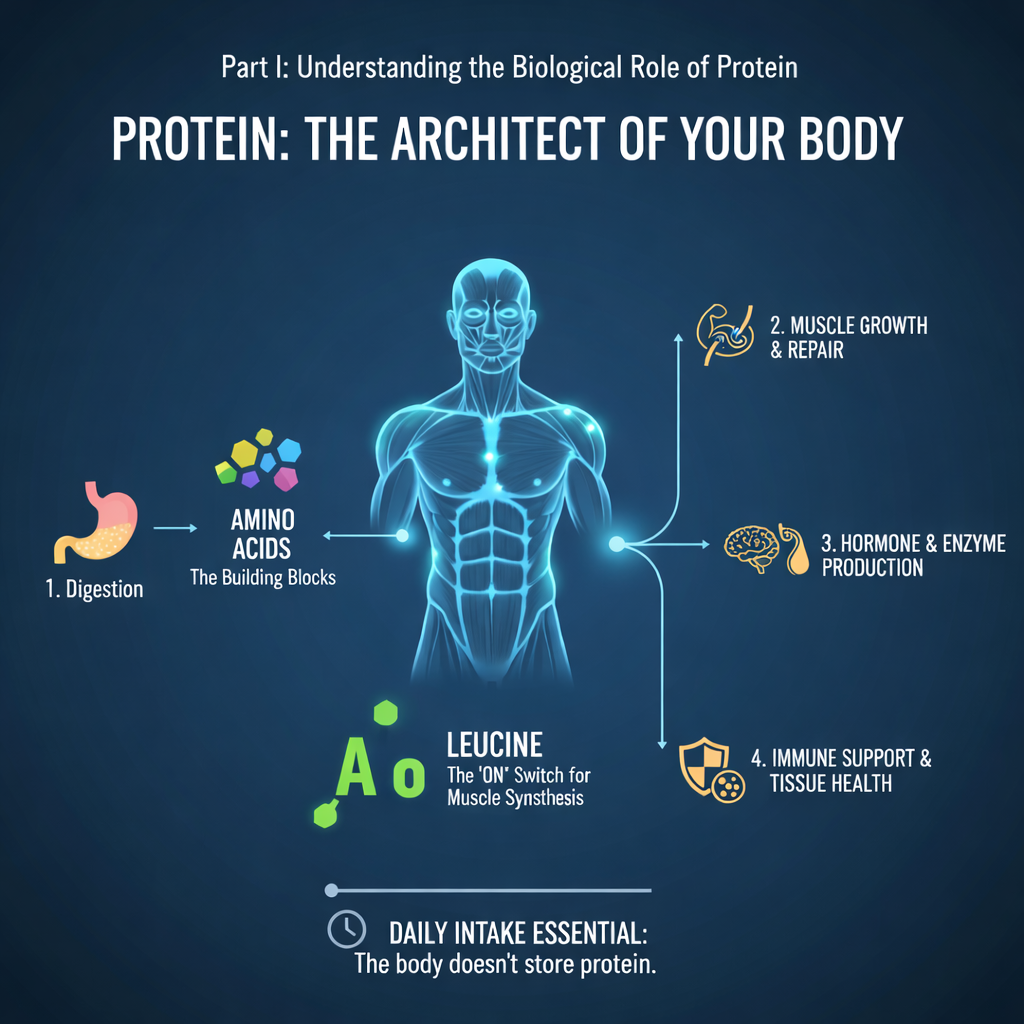
To appreciate the difference between whey and plant sources, we must first understand what the body actually does with protein. When you consume protein, your digestive system breaks it down into amino acids.1 These are the “building blocks” utilized for everything from repairing micro-tears in muscle fibers to producing the hormones that regulate your mood and sleep.2
The Essential Nine
There are 20 amino acids in total, but nine are “essential” (EAAs), meaning your body cannot produce them.3 They must come from your diet. A protein source is considered “complete” only if it contains all nine in adequate proportions.4
Muscle Protein Synthesis (MPS)
The primary goal of most protein supplementation is to trigger Muscle Protein Synthesis. This biological process is largely governed by one specific branched-chain amino acid (BCAA): Leucine.5 Think of Leucine as the key that starts the engine of muscle growth. The concentration of Leucine is one of the biggest differentiators between dairy and plant proteins.
Part II: Whey Protein – The Fast-Acting Powerhouse
Whey is a byproduct of the cheesemaking process.6 It is a liquid that remains after milk has been curdled and strained.7 Once considered a waste product, it is now the most researched and widely used supplement in sports nutrition.
1. The Different Gradations of Whey
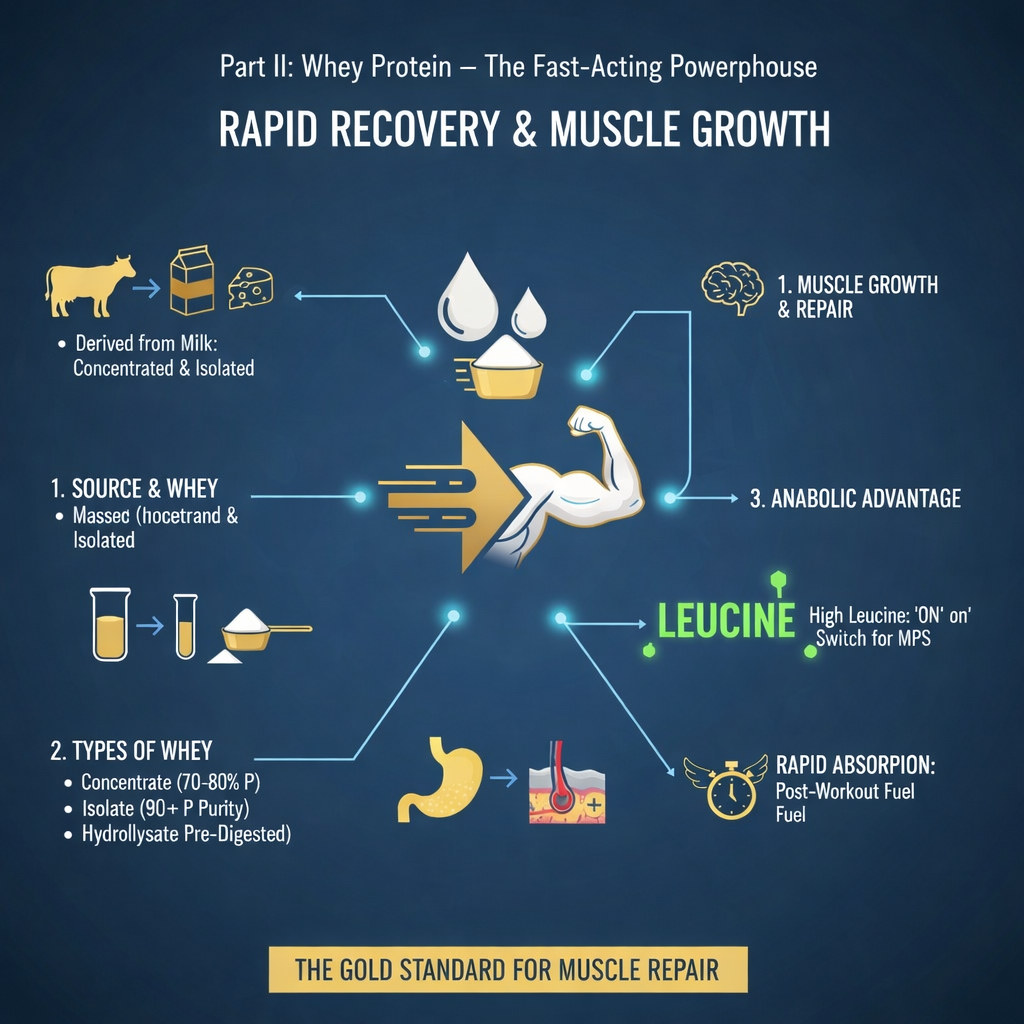
Not all whey is created equal.8 Depending on the processing method, you will encounter three main types:
- Whey Protein Concentrate (WPC): The least processed form.9 It typically contains 70–80% protein, with the remaining percentage comprised of milk sugars (lactose) and fats.10 It is often the best-tasting due to these residual fats but may cause issues for those with dairy sensitivities.
- Whey Protein Isolate (WPI): This undergoes further filtration to remove almost all fat and lactose.11 It sits at 90%+ protein purity. It is ideal for those on a strict “cut” (calorie deficit) or those who are mildly lactose intolerant.
- Whey Protein Hydrolysate (WPH): This form is “enzymatically predigested,” meaning the long chains of amino acids are already broken down into smaller peptides.12 This leads to the fastest possible absorption but often comes with a bitter taste and a higher price tag.
2. The Anabolic Advantage
Whey is a “complete” protein with a high biological value.13 It is particularly rich in Leucine. Studies consistently show that whey protein can stimulate MPS more effectively in the short term (0–2 hours post-workout) compared to other sources because it is absorbed so rapidly.14
Part III: Plant Protein – The Clean, Evolving Challenger
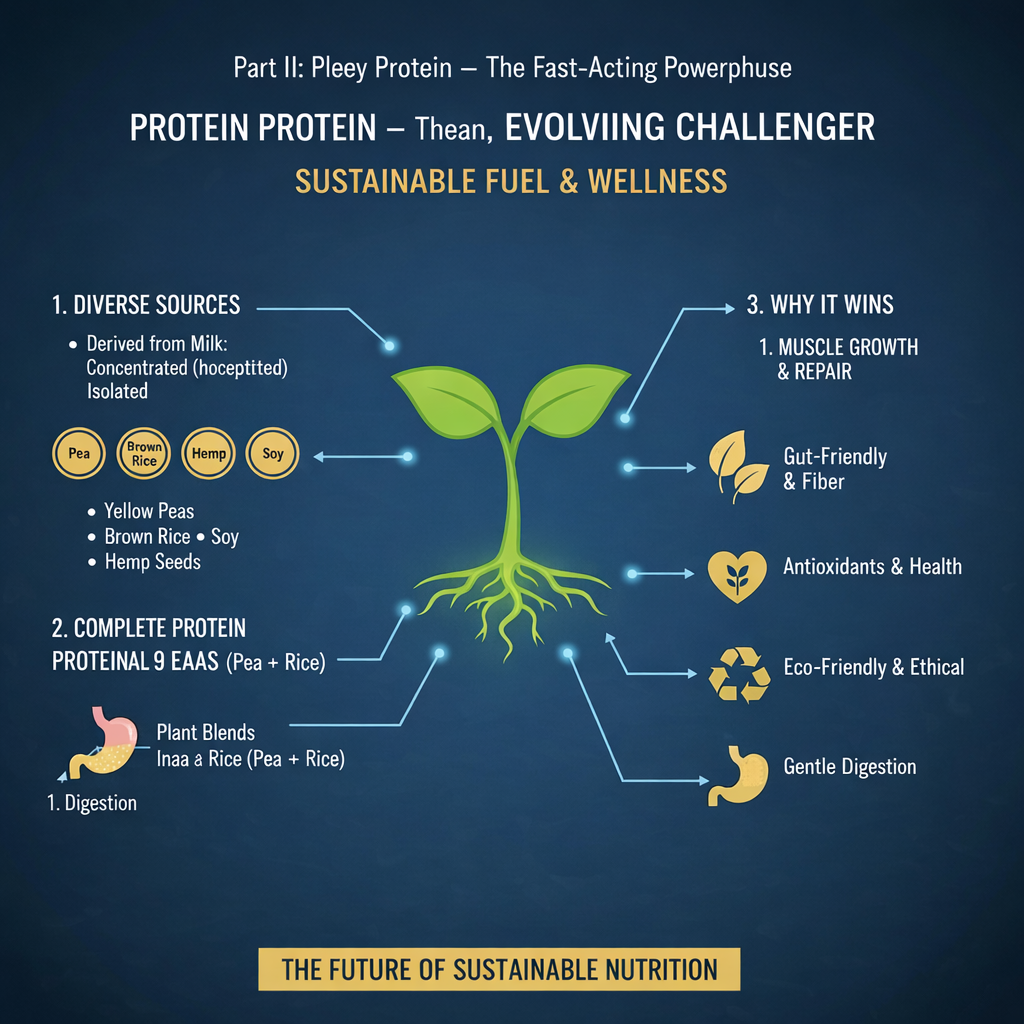
Plant protein is derived from various sources, including yellow peas, brown rice, soy, hemp, pumpkin seeds, and quinoa. Historically, plant proteins were criticized for having “incomplete” amino acid profiles or poor mixability. However, modern science has solved these issues.
1. The Power of Blending
Unlike whey, which is complete on its own, individual plant sources like rice or pea may be low in specific amino acids (like Lysine or Methionine).15 To solve this, manufacturers create Plant-Based Blends.
Scientific Fact: When Pea and Rice proteins are combined, their amino acid profiles complement each other perfectly, creating a “Complete Protein” that is biologically comparable to whey.16
2. Beyond Muscle: The Nutrient Density
Plant proteins offer more than just amino acids. They are often packed with:
- Fiber: Essential for gut health and maintaining a feeling of fullness (satiety).
- Phytochemicals: Natural antioxidants found in plants that help reduce systemic inflammation.17
- Micronutrients: Natural sources of Magnesium, Iron, and Potassium.
Part IV: Head-to-Head Comparison
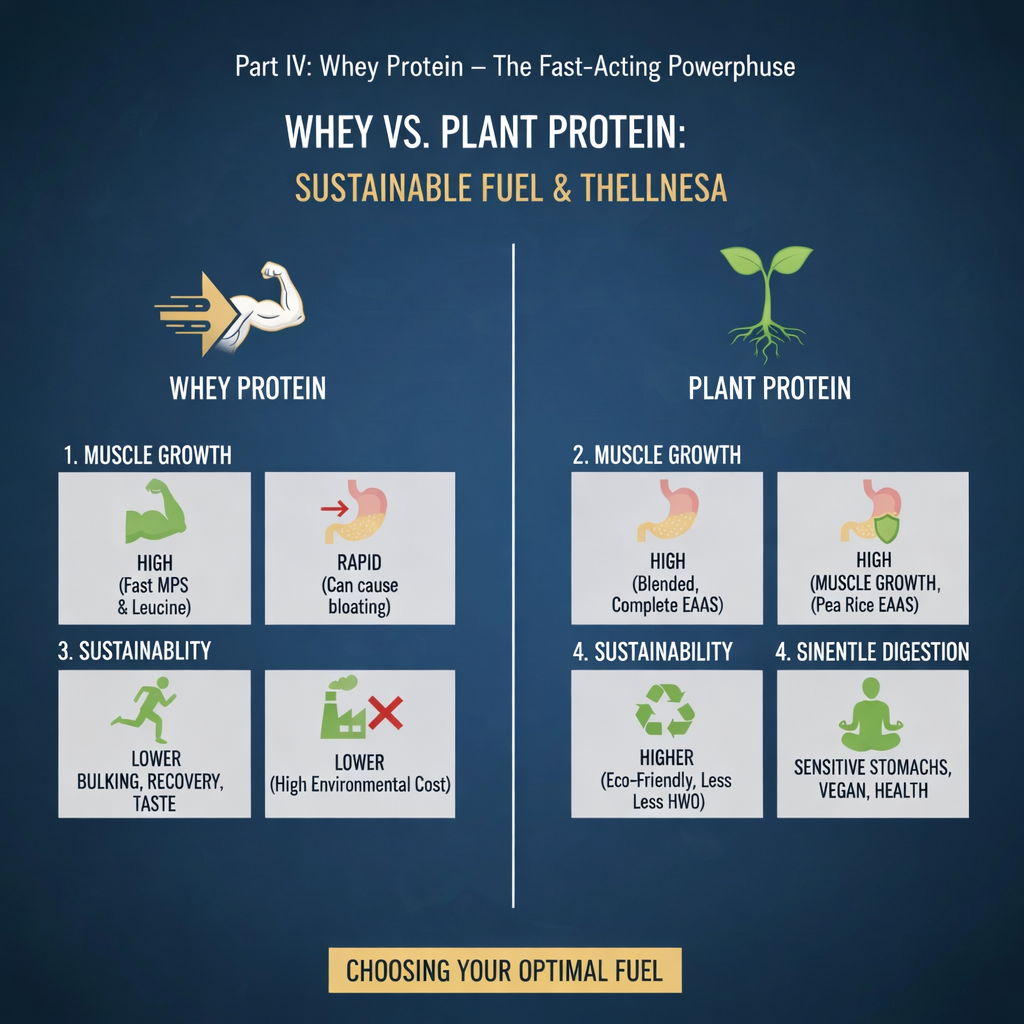
| Feature | Whey Protein (Animal-Based) | Plant Protein (Vegan-Based) |
| Digestion Speed | Rapid (30–60 mins) | Moderate (2–4 hours) |
| Anabolic Potential | Maximum (High Leucine) | High (when blended or soy-based) |
| Digestive Comfort | High risk of bloating/gas | Low risk; very gentle |
| Sustainability | Higher carbon/water footprint | Low environmental impact |
| Flavor Profile | Creamy, sweet, dessert-like | Earthy, nutty, slightly textured |
| Common Allergens | Lactose, Dairy | Soy (some brands) |
Part V: Digestion, Bloating, and the “Gut-Muscle Axis”
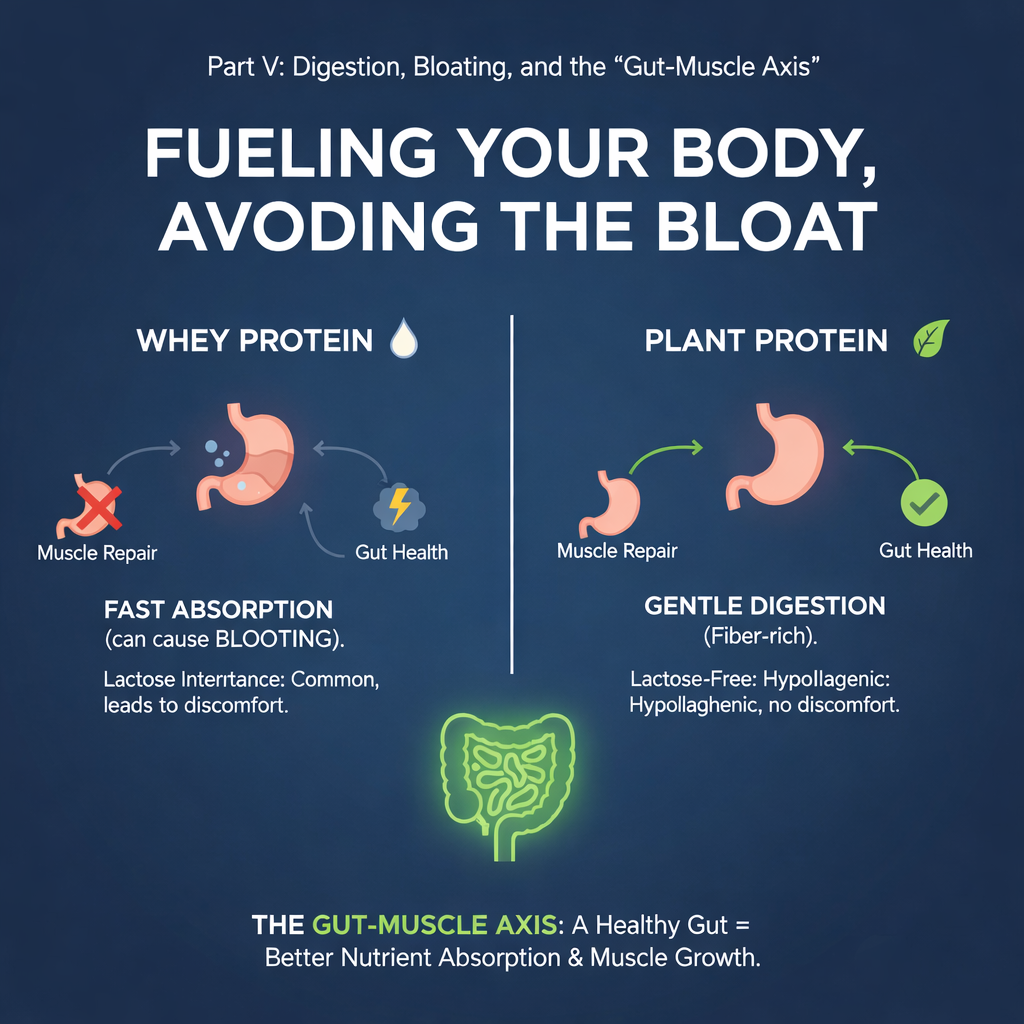
A protein shake is only effective if your body can actually absorb it. This is where many people find the biggest difference.
The Whey Struggle
Lactose intolerance is incredibly common, affecting nearly 65% of the human population to some degree. For these individuals, whey concentrate can lead to:
- Abdominal cramping
- Bloating and “protein farts”
- Skin breakouts (Acne)
The Plant Solution
Plant proteins are naturally hypoallergenic and lactose-free.18 Because they often contain fiber, they digest more slowly and steadily, which prevents the “insulin spike” that some people experience with whey isolate. If you have a sensitive stomach or suffer from IBS, plant protein is the superior choice for daily use.
Part VI: Fat Loss and Satiety
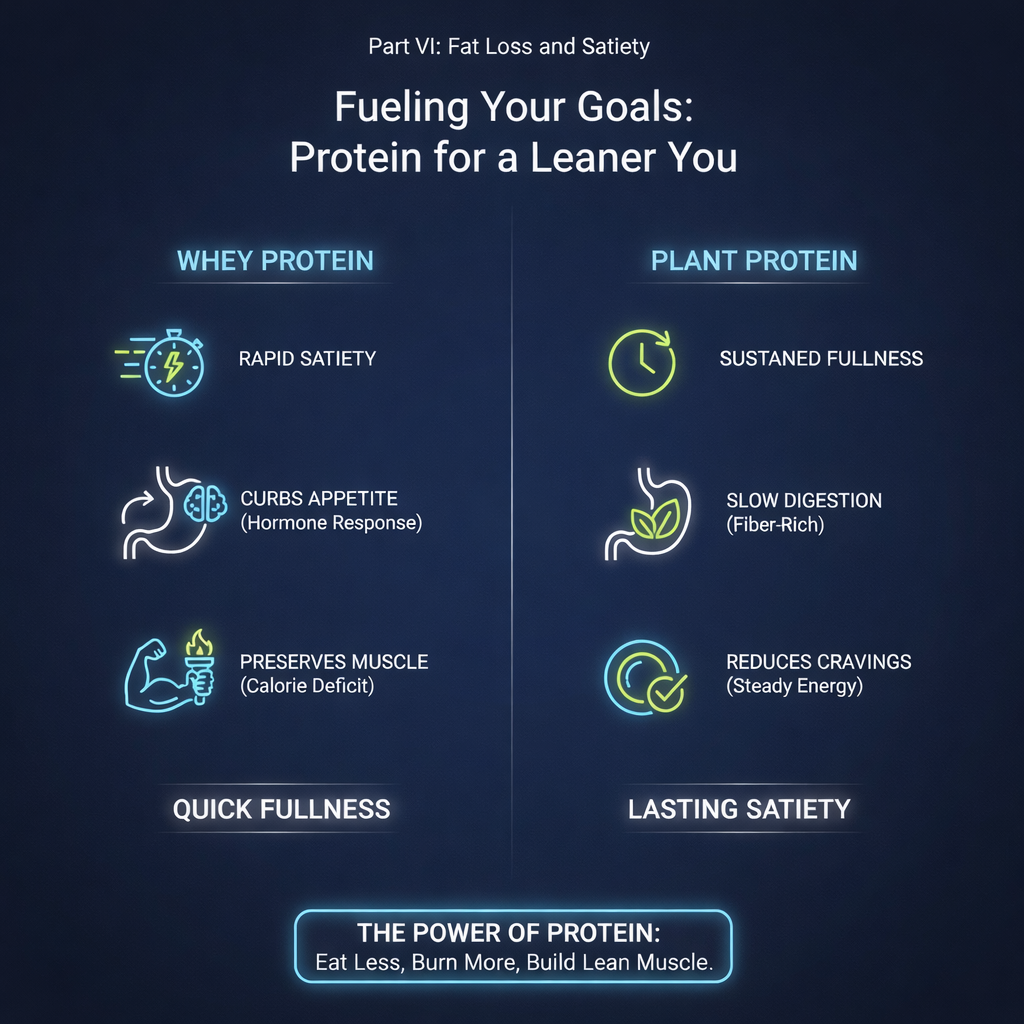
When it comes to weight management, protein is your best weapon because it has a high Thermic Effect of Food (TEF)—your body burns more calories digesting protein than it does fat or carbs.19
- Whey for Appetite Suppression: Whey has been shown to influence hunger hormones like ghrelin and GLP-1, making you feel full quickly after consumption.20
- Plant Protein for Long-Term Fullness: Because plant protein (especially pea) is digested more slowly, it provides a “sustained release” of satiety.21 This makes it an excellent meal replacement option to prevent snacking between lunch and dinner.
Part VII: Sustainability and Ethics
In 2026, the choice of supplement is no longer just about personal health—it’s about the health of the planet.
- Environmental Impact: Dairy production is resource-intensive.22 Producing 1kg of whey protein requires significantly more water, land, and carbon emissions than producing 1kg of pea or soy protein.
- Animal Welfare: For many, the shift to plant protein is an ethical choice to avoid supporting industrial dairy farming.23 Plant-based options offer a “guilt-free” way to hit high protein targets.
Part VIII: The Final Verdict – Which One Should You Buy?
Choose Whey Protein If:
- Your focus is 100% Performance: You are a bodybuilder or athlete looking for the fastest possible recovery and maximal Leucine content.
- Texture is a Priority: You want a shake that tastes like a milkshake and mixes perfectly in a standard shaker bottle.
- No Digestive Issues: You can consume dairy without any skin issues or stomach discomfort.
Choose Plant Protein If:
- You Value Digestive Health: You want to avoid bloating and maintain a healthy gut microbiome.
- You Want “Clean” Ingredients: You prefer a product that is often free from artificial growth hormones (rBST) and antibiotics found in some dairy.
- Sustainability Matters: You want to reduce your personal carbon footprint.
- You are Vegan/Vegetarian: This is the obvious choice for those following a plant-centric lifestyle.
The “Smart Athlete” Strategy: The Hybrid Approach
You don’t have to pick a side. Many professional fitness enthusiasts use Whey Isolate immediately after their workout for the “anabolic window” and use a Plant Protein Blend in their morning smoothies or as a nighttime snack. This gives you the best of both worlds: rapid recovery and long-term digestive wellness.
Summary Checklist for Your Next Purchase
Before you click “buy,” check the label for these four things:
- Protein Density: Aim for at least 20–25g of protein per scoop.
- Sugar Content: Avoid “fillers” like maltodextrin or excessive added sugars.24
- Amino Profile: If buying plant-based, ensure it is a blend (e.g., Pea/Rice/Hemp).
- Third-Party Testing: Look for labels like “Informed-Choice” or “NSF” to ensure the product is free from contaminants.